Keratoconus is a progressive eye condition that causes thinning and bulging of the cornea, leading to blurred and distorted vision. C3R Surgery, also known as Corneal Cross Linking (CXL) or Collagen Cross Linking, is an advanced treatment designed to strengthen the cornea and slow down the progression of keratoconus.
At Jehan Eye Clinic, Dr. Kareeshma Wadia, an experienced cornea and refractive surgery specialist, provides advanced CXL eye surgery using modern diagnostic technology and personalized treatment planning for patients with progressive keratoconus.
What Is CXL / C3R Surgery for Keratoconus?
C3R Surgery (Corneal Collagen Cross Linking with Riboflavin) is a minimally invasive procedure used to strengthen weak corneal tissue in patients with keratoconus and corneal ectasia.
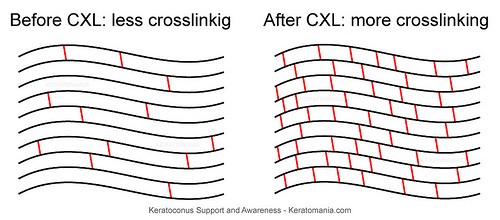
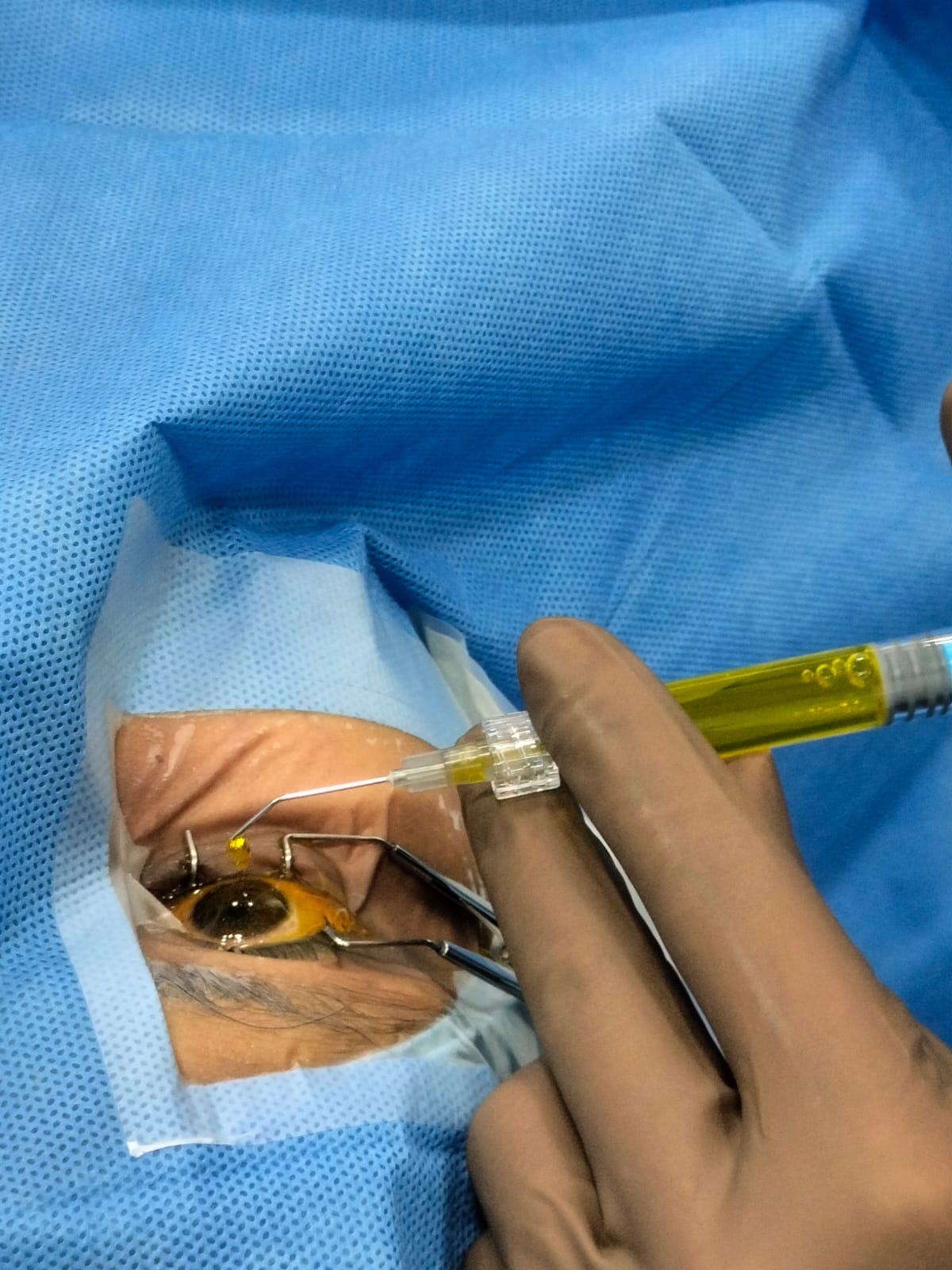
During the procedure, riboflavin (Vitamin B2) eye drops are applied to the cornea and activated using controlled ultraviolet-A (UVA) light. This process creates additional collagen bonds within the cornea, helping stabilize the corneal structure and reduce further weakening.
C3R or CXL for keratoconus is considered one of the most effective treatments for slowing or stopping disease progression before severe vision loss occurs.
Conditions Treated with C3R / CXL
Progressive keratoconus
Corneal ectasia after LASIK
Corneal thinning disorders
Unlike vision correction procedures such as LASIK, CXL eye surgery primarily focuses on preserving corneal strength and preventing further deterioration.
How Does CXL Eye Surgery Strengthen the Cornea?
In keratoconus, the cornea becomes weak and gradually changes shape, leading to increasing irregular astigmatism and blurred vision. Collagen cross linking strengthens the internal collagen fibers of the cornea, improving its biomechanical stability.
The treatment works through a carefully controlled process:
Riboflavin eye drops are applied to the cornea.
The riboflavin absorbs into the corneal tissue.
Controlled UVA light activates the riboflavin.
New collagen bonds form within the cornea.
The cornea becomes stronger and more stable.
By strengthening corneal tissue, cross linking laser eye surgery helps slow down or stop the progression of keratoconus and may reduce the need for future corneal transplantation.
Types of Corneal Cross Linking
- Epi-Off CXL
The outer corneal layer (epithelium) is gently removed to allow deeper riboflavin penetration. This is the most commonly performed and widely studied method.
- Epi-On CXL
The epithelium remains intact during treatment, which may reduce discomfort and recovery time in selected patients.
Usually, Dr. Kareeshma prefers epi-on cross-linking for most patients, as it is a less invasive option with faster recovery and improved comfort.
Dr. Kareeshma Wadia evaluates corneal thickness, keratoconus progression, and overall eye health before recommending the most suitable C3R eye surgery technique.
Who Needs C3R Eye Surgery for Keratoconus?
Not every patient with keratoconus requires immediate treatment. However, C3R surgery is strongly recommended when there is evidence of disease progression.
You may need cross linking eye surgery if you experience:
Increasing eye power changes
Progressive corneal thinning
Frequent spectacle prescription changes
Worsening astigmatism
Blurred or distorted vision
Difficulty tolerating contact lenses
Progressive keratoconus diagnosed on corneal scans
Ideal Candidates for CXL Eye Surgery
Patients who benefit most from CXL eye surgery include:
Teenagers and young adults with progressive keratoconus
Individuals with corneal ectasia after LASIK
Early treatment is important because keratoconus often progresses more rapidly in younger patients.
At Jehan Eye Clinic, detailed corneal imaging and topography are performed to identify progression and determine whether C3R or CXL for keratoconus is necessary.
C3R Surgery Cost in India
The C3R surgery cost in India can vary depending on several medical and technological factors.
Factors That Affect C3R Surgery Cost:
Type of corneal cross linking performed
Corneal thickness and severity of keratoconus
Diagnostic investigations required
Technology and equipment used
Whether one or both eyes need treatment
Surgeon expertise and clinical experience
Follow-up care and medications
At Jehan Eye Clinic, patients receive a comprehensive evaluation before treatment planning to ensure the most appropriate and effective care.
If you are searching for information about corneal cross linking cost in India, our team at Jehan Eye Clinic can help explain the procedure, investigations, recovery expectations, and personalized treatment recommendations from an experienced eye doctor in Vile Parle for keratoconus and corneal care.
Why Choose Jehan Eye Clinic for C3R / CXL Surgery?
Jehan Eye Clinic offers advanced eye diagnostic evaluation and personalized treatment planning for keratoconus patients.
Expertise of Dr. Kareeshma Wadia
Dr. Kareeshma Wadia is a highly experienced ophthalmologist in Mumbai specializing in:
Cornea disorders
Refractive surgery
Keratoconus management
Corneal cross linking procedures
Advanced corneal diagnostics
Her expertise in diagnosing and managing progressive keratoconus helps patients receive timely and evidence-based treatment recommendations.
Book a C3R / CXL Consultation at Jehan Eye Clinic
Early eye diagnosis and timely treatment are essential to prevent progressive vision loss caused by keratoconus.
If you are considering C3R surgery, CXL eye surgery, or would like to learn more about corneal cross linking cost in India, schedule a consultation with Dr. Kareeshma Wadia at Jehan Eye Clinic.
Our team will guide you through:
Keratoconus evaluation
Corneal topography and diagnostics
Treatment suitability assessment
Procedure planning
Recovery guidance and follow-up care
Book your consultation today at Jehan Eye Clinic in Vile Parle, Mumbai, for expert evaluation and advanced treatment of keratoconus and corneal stabilization with Dr. Kareeshma Wadia.
CXL / C3R Surgery FAQs
What is the purpose of CXL / C3R surgery?
The C3R / CXL surgery is a procedure which is done to halt further progress of the corneal bulge which is caused due to a disorder called Keratoconus.
How does CXL / C3R surgery work?
CXL / C3R surgery causes the collagen strands in the eye to stiffen and get crosslinked and re-attached to each other, thus making the cornea stronger and more stable which in turn credibly halts the progression of the disease.
How long does CXL / C3R surgery take?
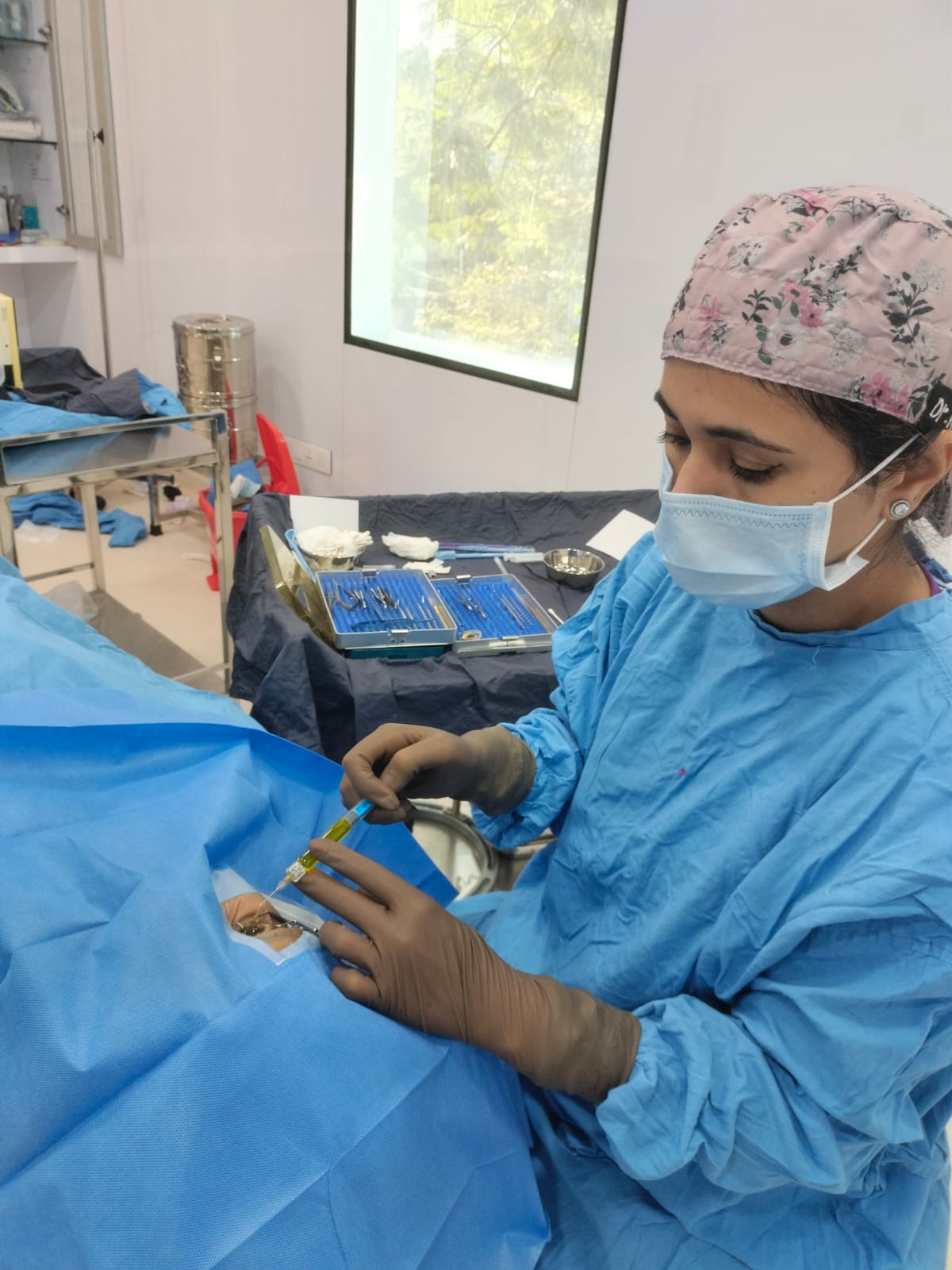
The CXL / C3R surgery takes approximately 30 minutes to 1 hour for each eye. (based on different types of machines). The procedure is done by using anesthetic eye drops (also known as topical anesthesia). Riboflavin eye drops are used to soak the cornea, this takes 20-30 minutes and then the eye is exposed to UVA light.
Who is a candidate for CXL / C3R surgery?
Patients who suffer from progressive Keratoconus are the ideal candidates the CXL / C3R surgery.
Is CXL / C3R surgery a permanent solution for eye conditions, or will additional treatments be required in the future?
The CXL / C3R surgery is a first line of treatment for keratoconus and it is the only approach to halt the progression of keratoconus.
How successful is CXL / C3R surgery in halting the progression of eye conditions like keratoconus?
Most patients require the procedure only once in their life. Rarely the condition may worsen in patients with severe eye allergies/ eye rubbing, and they may require a repeat procedure. Nonetheless regular follow up visits must be done by your doctor.
Are there any specific pre-operative instructions to follow for undergoing CXL / C3R surgery?
Certain pre-operative instructions must be followed before undergoing the CXL/ C3R surgery, they are as follows:
• Make sure to have someone to accompany and take you home on the day of your procedure.
• Consume a light meal and keep yourself hydrated with fluids on the day of your procedure.
• Do not wear any eye makeup, cologne or perfume on the day of your procedure.
• Do not plan on going for a vacation, flying or swimming for a week or two after your procedure.
• Limit your sun exposure for the first 2 months after your procedure.
How long until I can resume my normal activities?
After the C3R / CXL surgery patients can mostly resume their normal activities within just a few days to an entire week. It all depends on their recovery/healing rate and the nature of their profession.
Is there any ongoing research or advancements in CXL / C3R surgery that may further improve its effectiveness?
Laser based Cross Linking is a procedure where a laser is done to reshape the excessively conical cornea and make it less steep, to improve visual outcome along with stabilization of the cornea.
This does not remove the spectacle number, but will help improve basic vision of the patient , with and without glasses.
Due to newer developments in technology, we now have various riboflavin formulations and the capability to deliver higher fluency procedures with customized treatment patterns.
Are there any lifestyle changes or habits that I should adopt or avoid before and after CXL / C3R surgery to ensure the best results?
AVOID EYE RUBBING
Certain instructions have to be followed before and after the CXL/ C3R surgery they are as follows:
• Consume a light meal and keep yourself hydrated with fluids on the day of your procedure.
• Do not wear any eye makeup, cologne or perfume on the day of your procedure.
• Post the C3R / CXL surgery, a soft 'bandage' contact lens is put in place for seven days.
• Numerous different drops and painkiller tablets have been prescribed to you.
• It is vital to keep your eyes lubricated with your eye drops to allow the surface of the eye to recuperate during the weeks after procedure.
Does insurance cover CXL/ C3R treatment?
YES. It is a medical condition which needs treatment and hence is eligible for treatment. Check with your insurance company for more details.
How much does a CXL / C3R treatment cost in India?
The C3R / CXL surgery expenses can vary based on the medical facility and type of procedure. You can expect the cost to range from Rs. 30,000 to 70,000 and additional costs if combined with the laser treatment. It is depending on numerous aspects like surgeon fees, anesthetist, hospital charges, laser charges and more. It can also be combines with other procedures such as TPRK Laser, INTACS which have a separate cost.
Cost of refractive surgery in Mumbai.
Refractive Surgery is of different types. LASIK costs between 40,000 to 2,00,000 both eyes and ICL costs between 70,000 TO 1,50,000.
Jehan Eye Clinic is a center for skilled clinical excellence, and aims at being at par with the
latest technology at all times. It is headed by Dr Kareeshma Wadia-Havewala, who is a
specialist in Cataract, Cornea and Refractive Surgeries.