Why Do My Eyes Water All the Time? Causes and Treatment Options
Watery eyes can be caused by dry eyes, allergies, infections, blocked tear ducts or eyelid problems. Learn why your eyes may water constantly, what treatments are available and when an eye examination may be needed at Jehan Eye Clinic. Read more
What Is ICL Eye Surgery? Cost, Benefits, Risks & Eligibility
Learn about ICL eye surgery, including how the procedure works, its benefits, potential risks, cost and eligibility. Find out who may be a suitable candidate and what to consider before choosing ICL surgery at Jehan Eye Clinic. Read more
Keratoconus Surgery & Treatment: Which Option Is Right for Each Stage?
Explore the best keratoconus surgery and treatment options by stage, from monitoring and specialized contact lenses to C3R/CXL and advanced corneal procedures. Learn how treatment is selected based on disease progression and individual eye health at Jehan Eye Clinic. Read more
What Is PRK Eye Surgery? How It Differs From LASIK and SMILE
PRK eye surgery is a laser vision correction procedure that can help reduce dependence on glasses or contact lenses. Learn how PRK differs from LASIK and SMILE, including the procedure, benefits, recovery time, and who may be a suitable candidate at Jehan Eye Clinic. Read more
How to Protect Your Eyes from Screen Time: Tips for Adults and Children
Long hours on phones, laptops and tablets can cause digital eye strain, dry eyes and blurry vision. Learn simple ways to protect your eyes from screen time and when to consult an eye specialist at Jehan Eye Clinic. Read more
Eye Allergies vs Eye Infections: How to Tell the Difference
Eye allergies and eye infections can cause similar symptoms, but their causes and treatments are different. Learn how to tell an eye allergy from an eye infection and when to seek professional care at Jehan Eye Clinic. Read more
How to Choose the Right Ophthalmologist for Cataract Surgery
Choosing the right ophthalmologist for cataract surgery can make a difference to your treatment experience and visual outcome. Learn what to consider, from surgical experience and technology to lens options and follow-up care at Jehan Eye Clinic. Read more
Does Every Child with a Squint Need Surgery? Understanding Treatment Options
Does every child with a squint need surgery? Learn about squint eye treatment, common causes of squint in children, non-surgical options, and when squint surgery may be recommended. Read more
LASIK vs SMILE Surgery: Which One Should You Choose?
Considering laser vision correction? Learn the key differences between LASIK vs SMILE surgery, including suitability, benefits, recovery, limitations and cost, to understand which option may be right for your eyes. Read more
Monsoon Eye Care Tips in Mumbai How to Protect Your Eyes
Monsoon can increase the risk of eye infections, irritation and redness. Discover practical monsoon eye care tips to protect your eyes during the rainy season and learn when to consult an eye specialist at Jehan Eye Care. Read more
Corneal Transplant Surgery: When Is It Needed and What to Expect
Learn the common reasons for a corneal transplant, the different keratoplasty procedures, recovery timeline, and expected outcomes. Discover how Dr Kareeshma Wadia provides advanced, personalized care for complex corneal conditions. Read more
How Diabetes Can Affect Your Eyes: Signs of Diabetic Retinopathy
Diabetes can silently damage your eyesight before you notice any symptoms. Learn about diabetic retinopathy, its warning signs, risk factors, diagnosis, and treatment options. Read more
What Is Corneal Dystrophy? Symptoms, Types and Treatment Options
What is corneal dystrophy treatment? Learn how corneal dystrophy is diagnosed, managed, and treated, along with symptoms and types, from the experts at Jehan Eye Clinic. Read more
Corneal Cross-Linking Procedure, Benefits & Cost in India
Corneal cross linking treatment is an advanced procedure used to strengthen the cornea and slow the progression of keratoconus. Learn about the procedure, benefits, and cost in India with expert insights from Jehan Eye Clinic. Read more
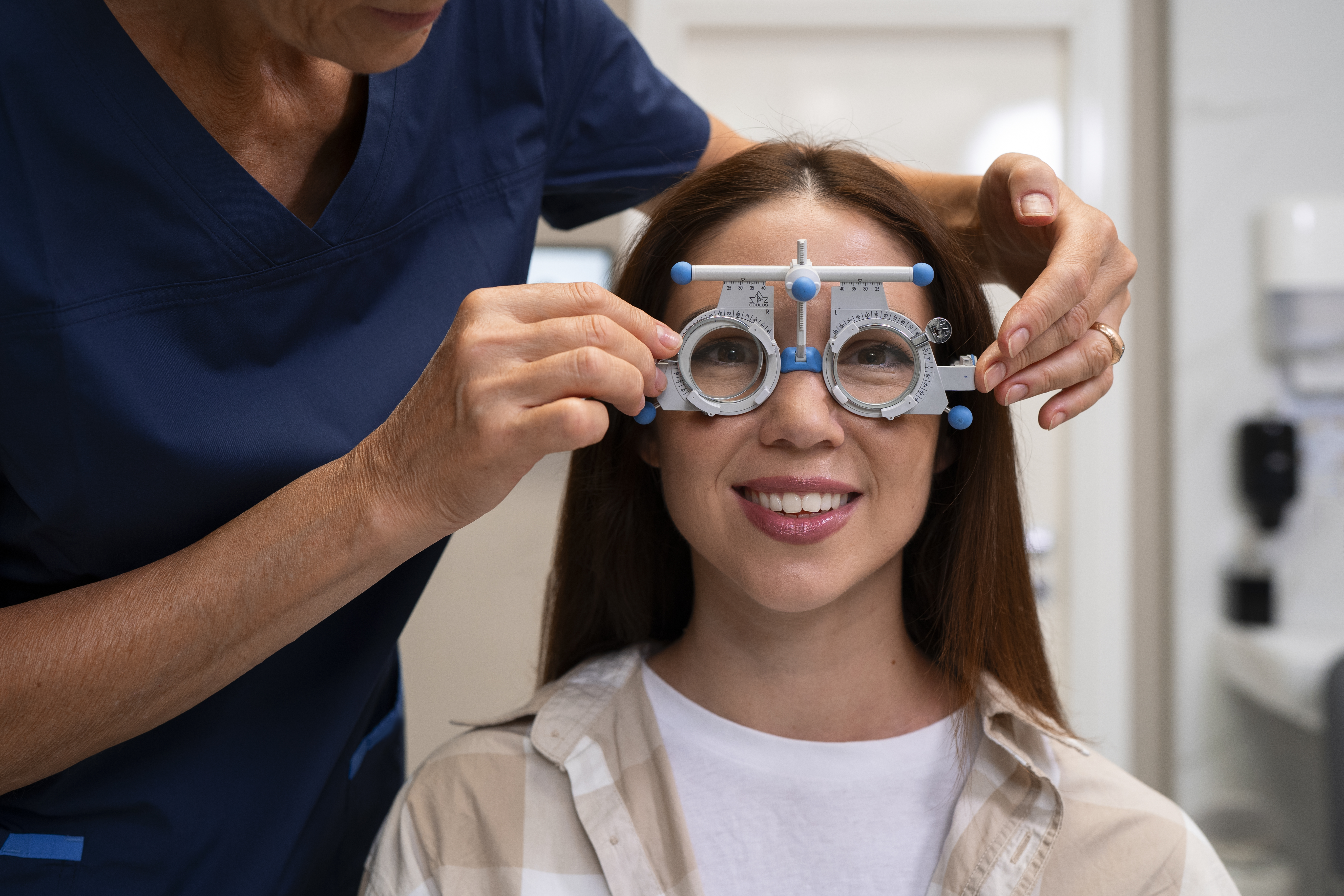
How to Choose the Best Eye Specialist in Mumbai
Choosing the right eye specialist Mumbai is essential for protecting your vision. This guide explains the key factors to consider, from qualifications and technology to specialized care, helping you make an informed decision. Read more
ICL vs LASIK: Which Vision Correction Procedure Is Right for You?
Wondering whether ICL surgery or LASIK surgery is the better option for vision correction? Learn the key differences, benefits, and suitability of each procedure. Jehan Eye Clinic helps you make an informed decision for clearer, glasses-free vision. Read more
Why Is My Vision Blurry? Common Causes and When to See an Eye Specialist
Learn the symptoms, causes, and prevention tips for digital eye strain. Discover how to protect your eyes from excessive screen time and maintain healthy vision with expert guidance from Jehan Eye Clinic. Read more
Why Is My Vision Blurry? Common Causes and When to See an Eye Specialist
Blurry vision can be caused by anything from simple refractive errors to more serious eye conditions. Learn the common causes of blurry vision, when to seek help from an eye specialist, and how early diagnosis can protect your long-term eye health at Jehan Eye Clinic. Read more
How Often Should You Get an Eye Checkup?
Many people visit an eye doctor in Mumbai only when they start facing blurred vision or discomfort. But in reality, regular eye checkups are just as important as checking blood pressure or sugar levels. Read more
5 Early Signs of Cataract You Should Never Ignore
Cataracts often develop gradually, making it easy to overlook the early signs. Learn the 5 warning symptoms you should never ignore and understand when to seek professional cataract treatment. Read more
Rose K Lenses vs Regular Contact Lenses: Which Is Better for Keratoconus?
Choosing the right contact lenses is important for managing keratoconus. Learn the differences between regular contact lenses and Rose K lenses for keratoconus, their benefits, and how expert guidance at Jehan Eye Clinic can help improve vision and comfort. Read more

What Is Keratoconus? Symptoms, Causes & Treatment Options
Keratoconus is an eye condition that affects the shape of the cornea, the clear front surface of the eye. As the cornea gradually becomes thinner and more cone-shaped, vision can start becoming distorted, blurry, or difficult to correct with regular glasses. Read more
Most Common Questions Patients Ask Before LASIK Surgery
If you’ve been considering LASIK but still have questions, getting a proper consultation can make things much clearer. At Jehan Eye Clinic, patients receive detailed evaluations and personalized guidance for LASIK and other vision correction procedures based on their eye condition and lifestyle. Read more
Myths About Cataract Surgery Busted by an Ophthalmologist
Cataract surgery is surrounded by many myths that often create unnecessary fear and confusion among patients. In this blog, Dr. Kareeshma Wadia explains the facts behind modern cataract surgery, including safety, recovery, and treatment outcomes. Read more
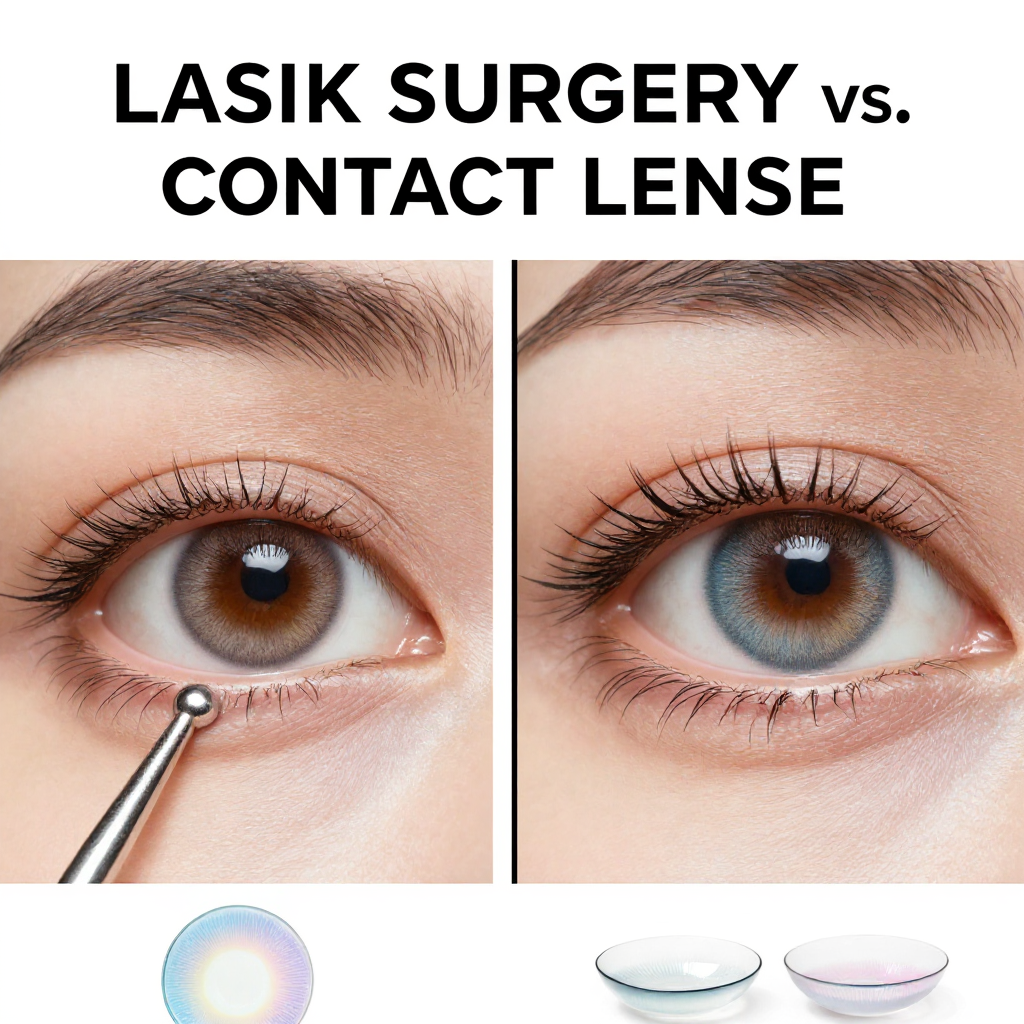
LASIK Surgery vs Contact Lenses: Which Option Is Right for You?
Both contact lenses and lasik eye surgery help improve vision, but the experience of living with them is very different. The right choice usually depends on your lifestyle, eye condition, comfort, and long-term expectations. Read more

What Is Dry Eye Syndrome? Symptoms, Causes & Treatment Options
Dry eye is one of the most common eye problems people deal with today. With long working hours, constant screen exposure, pollution, and air-conditioned environments becoming part of our daily life, eye dryness has started affecting younger adults as well. Read more
Optical Coherence Tomography (OCT)
Optical Coherence Tomography also known as OCT, is a non-invasive imaging method used to generate an image of the back of your eye also known as your retina. Read more
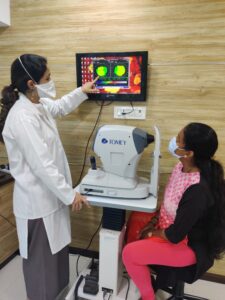
CORNEAL TOPOGRAPHY SCAN
Corneal Topography is a non-invasive imaging scan technique which maps the surface of the cornea (the clear front part of the eye). Read more
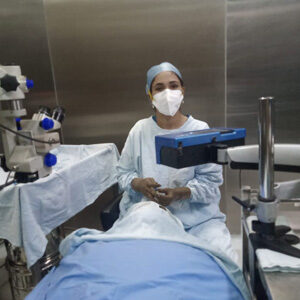
C3R Eye Treatment
Corneal Cross Linking also known as C3R or CXL is a procedure done to treat Keratoconus (a condition wherein the cornea of the eye has Read more
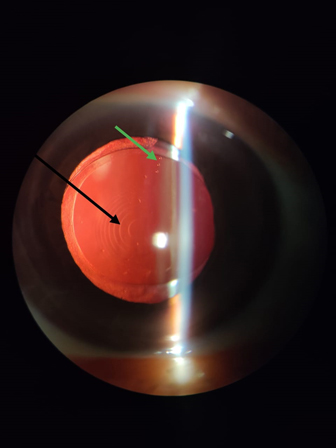
Symptoms of Motibindu (cataract)
Our eyes have a natural lens which helps us with our vision, with age, the efficacy of this lens reduces. Read more
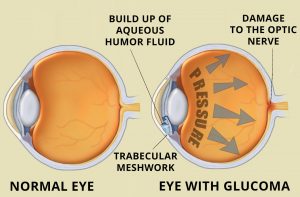
Glaucoma symptoms and treatment.
"In early glaucoma, one may not have any amount of blindness. But if it is uncontrolled or went undiagnosed, Read more

What is Corneal Ulcer?
What is a corneal ulcer?
A corneal ulcer is any breakdown of the surface upper layer of the cornea.
Read more

What is the suitable age for Laser Lasik eye surgery?
I often get asked this question by the older generation. The minimum age for LASIK is 18 years with a stable Read more
Blade v/s Bladeless LASIK
Precision in surgery is what every surgeon and patient chases- and this is the main advantage of a femtosecond laser. Read more

TYPES OF CORNEAL TRANSPLANTS (KERATOPLASTY)
Not all corneal transplants are done with the purpose of restoring vision. Optical corneal transplants/ Optical Keratoplasties are those done when the cornea Read more
INFECTIONS OF THE EYE
Not all infections of the eye are Conjunctivitis. Conjunctivitis is an inflammation or infection of the conjunctiva-the thin Read more

CORNEAL TRANSPLANT
Eye Donation Incase of visual problems affecting the eye, the cornea is the only structure that can be transplanted to Read more

Jehan Eye Clinic is a center for skilled clinical excellence, and aims at being at par with the latest technology at all times. It is headed by Dr Kareeshma Wadia-Havewala, who is a specialist in Cataract, Cornea and Refractive Surgeries.
Quick Links
Contacts
Opening Hours
- Monday — 10am – 7pm
- Tuesday — 10am – 7pm
- Wednesday — 10am – 7pm
- Thursday — 10am – 7pm
- Friday —10am – 7pm