What Is Dry Eye Syndrome? Symptoms, Causes & Treatment Options
Have your eyes ever felt itchy, tired, or unusually watery after spending hours on your phone or laptop? Many people assume it’s just eye strain or lack of sleep. But in many cases, these are early signs of dry eye syndrome.
Dry eye is one of the most common eye problems people deal with today. With long working hours, constant screen exposure, pollution, and air-conditioned environments becoming part of our daily life, eye dryness has started affecting younger adults as well.
The good thing is that dry eye can usually be managed well if it’s diagnosed early. Visiting an experienced eye doctor in Mumbai can help you understand whether your symptoms are temporary or part of an ongoing eye condition that needs treatment.
At Jehan Eye Clinic, dry eye complaints are something Dr Kareeshma Wadia sees regularly, especially among office workers, students, contact lens users, and older adults.
What Is Dry Eye?
Our eyes need a healthy layer of tears to stay comfortable. Tears are not just water, they help protect the eyes, keep the surface smooth, and support clear vision throughout the day.
Dry eye syndrome happens when the eyes either don’t make enough tears or the tears dry too quickly before properly lubricating the eye surface. When this happens, the eyes begin to feel irritated, strained, or uncomfortable.
For some people, the discomfort is mild and occasional. Others may experience symptoms almost daily, especially while working on screens, driving, reading, or spending time outdoors.
Interestingly, dry eyes don't always make the eyes feel dry. Some people notice excessive watering instead. This happens because irritated eyes try to produce reflex tears, but those tears are unable to provide proper moisture.
People often search for an eye specialist near me to get their dry eye symptoms checked. After visiting a trusted eye care doctor, many are surprised to learn that watery eyes can actually be a sign of dry eye syndrome.
Why Do People Get Dry Eye Syndrome?
To understand dry eyes better, it’s important to understand how the eyes produce tears.
A healthy tear film has different layers that work together to protect the eyes. If one layer becomes unstable, tears evaporate faster than normal, leaving the eyes exposed and irritated.
One of the biggest reasons behind this problem today is screen usage. When people stare at laptops or phones for long periods, they blink less often. Reduced blinking means the tear film spreads unevenly across the eye surface, leading to dryness and irritation.
Apart from digital strain, environmental conditions also play a role. Dust, pollution, smoke, strong fans, and air conditioning can all make symptoms worse over time.
Another important reason behind dry eye syndrome is blockage or poor functioning of the Meibomian Glands. These tiny glands located along the eyelids produce the oily layer of tears that prevents tears from evaporating too quickly. When these glands become blocked, tears dry up faster, leading to irritation, burning, and discomfort.
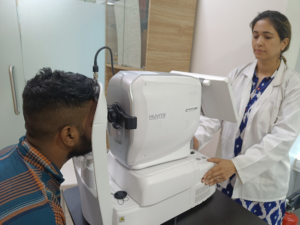
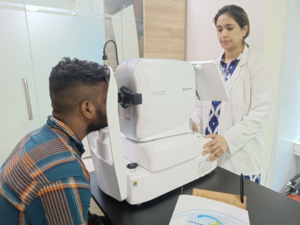
At Jehan Eye Clinic, advanced dry eye evaluation may include a Dry Eye Analyzer, which helps doctors examine tear quality, tear evaporation, and the condition of the Meibomian Glands more accurately. This detailed analysis helps identify the root cause of dryness and allows more personalized treatment planning.
Common Symptoms of Dry Eye You Should Never Ignore
Dry eye symptoms can look different from person to person. Some people experience irritation only in the evenings, while others feel discomfort throughout the day.
Some of the most common symptoms include:
- - Burning or stinging in the eyes
- - Redness
- - Blurred vision after screen use
- - Eye fatigue
- - Feeling like dust is stuck inside the eye
- - Watering or excessive tearing
- - Sensitivity to light
- - Difficulty wearing contact lenses
- - Heavy eyelids or tired eyes
People often ignore these symptoms for months because they come and go in the beginning. But recurring irritation usually means the eyes are not getting enough lubrication.
A proper dry eye checkup helps detect the severity of the condition and prevents it from becoming chronic later on.
If you repeatedly search for an eye doctor in Mumbai because of ongoing redness or discomfort, it may be time to stop relying only on random eye drops and get your eyes examined properly.
What Causes Dry Eye Syndrome? Key Risk Factors Explained
Dry eye syndrome can happen for several reasons, and sometimes multiple factors are involved together.
- - Too Much Screen Time: This is probably the most common reason today. Long hours on phones and laptops reduce blinking and increase tear evaporation.
- - Pollution and Dust: Environmental exposure can irritate the eye surface regularly, especially in crowded urban areas.
- - Ageing: As people get older, tear production naturally starts reducing. That’s why dry eyes become more common after the age of 40.
- - Contact Lens Use: Wearing contact lenses for long hours may disturb the tear film and increase dryness.
- - Certain Medications: Medicines used for allergies, acne, depression, and blood pressure may sometimes affect tear production.
- - Underlying Eye Surface Problems: Some corneal conditions may also contribute to severe dryness and irritation. In such situations, consulting a Dr Kareeshma Wadia, cornea specialist in Mumbai becomes important for proper eye diagnosis and treatment.
Dry Eye Treatment Options: How Eye Specialists Manage the Condition
Dry eye treatment usually depends on what’s causing the problem in the first place.
For mild cases, small lifestyle changes can help a lot. Doctors often advise reducing continuous screen exposure, taking blinking breaks, drinking enough water, and avoiding direct air from fans or ACs.
Lubricating eye drops or artificial tears are commonly recommended to improve comfort and maintain moisture.
For many patients, simple home remedies can provide early relief from dry eye symptoms. Eye doctors often recommend using a Warm Compress over the eyes as a first-step home remedy. Warm compresses help improve oil secretion from the Meibomian Glands and reduce irritation caused by tear evaporation.
In cases where dryness becomes more persistent, advanced treatments may be recommended depending on the severity of the condition.
At Jehan Eye Clinic, advanced dry eye management may include IPL (Intense Pulsed Light) treatment, which uses controlled laser light pulses to improve gland function and reduce inflammation around the eyes. Some treatment plans may also include red light therapy face mask sessions that help support eyelid healing and improve overall eye comfort.
These modern treatment options are especially useful for patients experiencing chronic dry eye symptoms that do not improve with basic eye drops alone.
Why an Expert Eye Doctor Consultation Is Important for Dry Eye
Many people start using eye drops on their own whenever irritation appears. While this may provide temporary comfort, it doesn’t always solve the actual issue.
Dry eyes can sometimes become chronic if ignored for too long. In more severe cases, the surface of the eye may become inflamed or damaged.
An experienced specialist can evaluate tear quality, tear production, eyelid condition, and corneal health through detailed testing. This helps create a more effective long-term treatment plan.
Choosing the best trusted eye clinic near me with experienced specialists can make a big difference in managing dry eye comfortably and safely.
Visit Jehan Eye Clinic for Dry Eye Consultation & Treatment in Mumbai
If your eyes frequently feel irritated, watery, tired, or uncomfortable, don’t ignore the symptoms. Early diagnosis and the right treatment can help prevent long-term eye problems and improve your everyday comfort.
At Jehan Eye Clinic, patients receive detailed eye evaluations and personalized treatment plans for dry eye syndrome. Dr. Kareeshma Wadia focuses on identifying the root cause of your symptoms and recommending treatments that suit your lifestyle and eye health needs.
Along with advanced dry eye care, we also offer comprehensive eye treatments including LASIK surgery, cataract surgery, cornea treatment, keratoconus management, glaucoma care, retina services, and routine eye checkups, all under one roof.
Whether you are looking for long-term dry eye relief or complete eye care solutions, visiting the right eye specialist at the right time can make a significant difference to your vision and overall eye health.

Jehan Eye Clinic is a center for skilled clinical excellence, and aims at being at par with the latest technology at all times. It is headed by Dr Kareeshma Wadia-Havewala, who is a specialist in Cataract, Cornea and Refractive Surgeries.
Quick Links
Contacts
Opening Hours
- Monday — 10am – 7pm
- Tuesday — 10am – 7pm
- Wednesday — 10am – 7pm
- Thursday — 10am – 7pm
- Friday —10am – 7pm